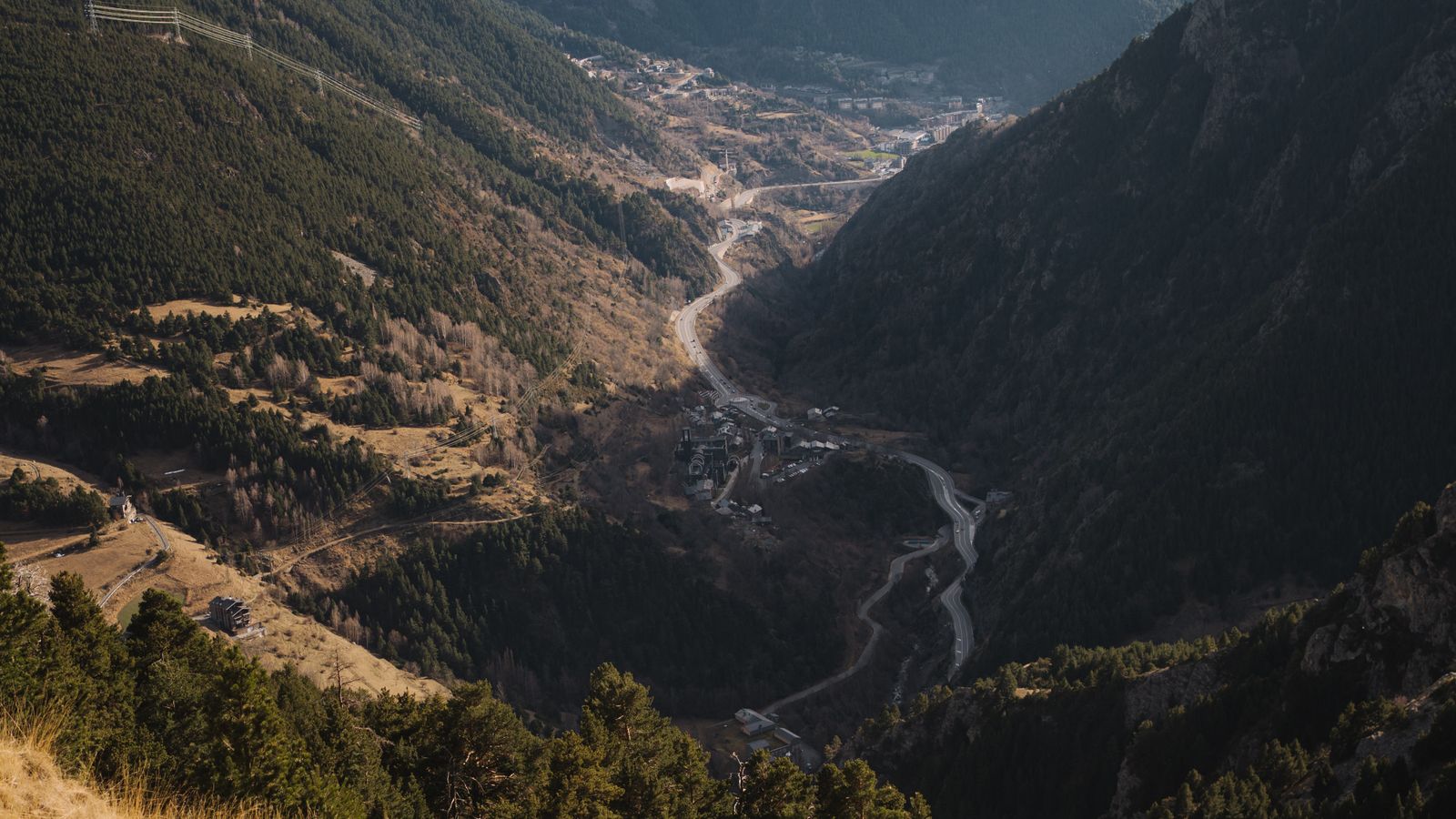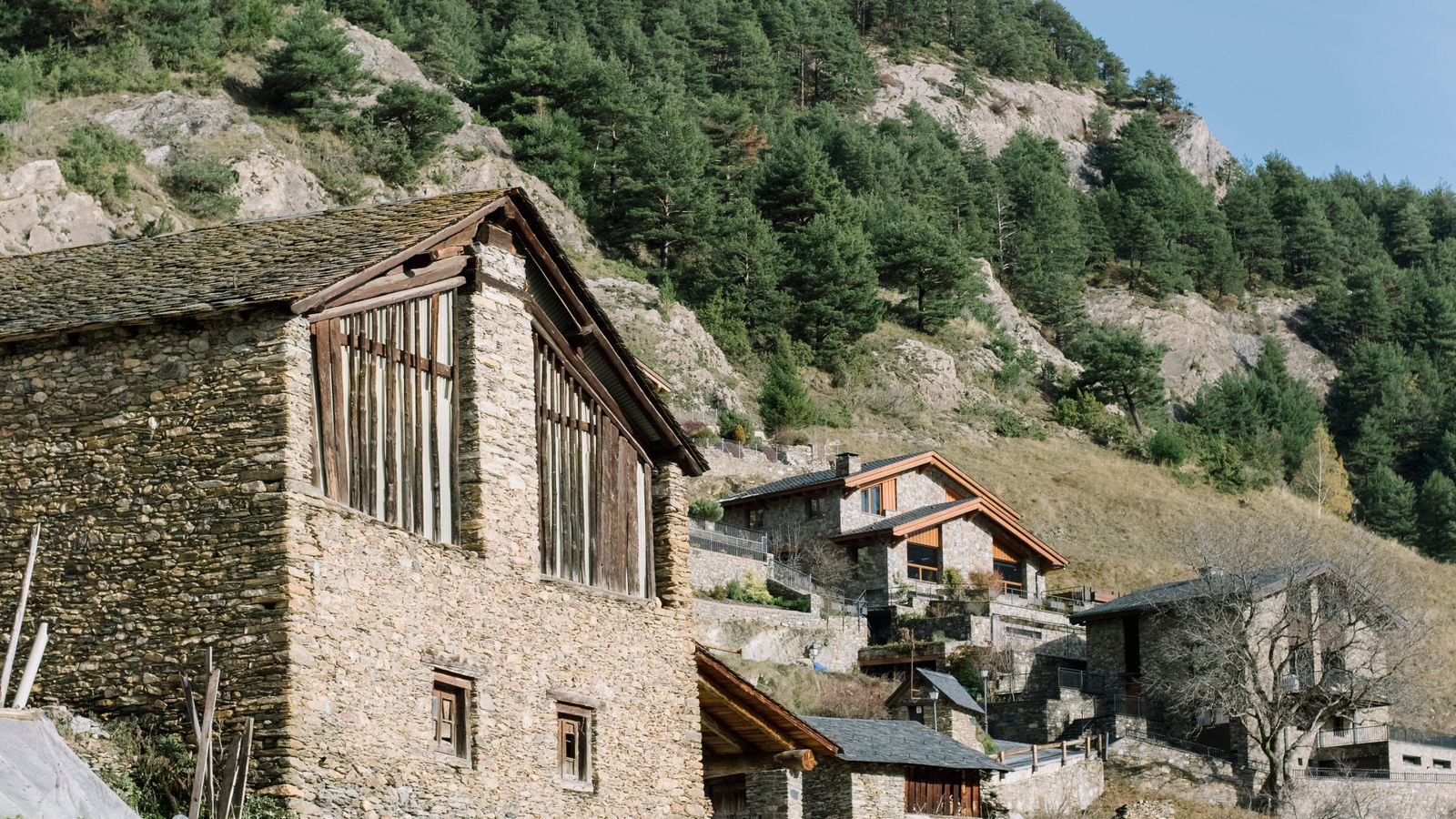
A village in Andorra

Family Reunification in Andorra: Who Qualifies, Income Rules and Permits

Marc Cantavella

Marc Cantavella

7 min read

Andorra lets residents bring their close family to live with them through reagrupament familiar (family reunification). The rules sit in Llei 9/2012 on the qualified immigration law, articles 102-112, with the paperwork and income test set by the Immigration Service regulation, Decret 447/2025.

The route depends on the sponsor's own status. Andorran nationals and holders of a residence and work permit use the general family reunification regime. Passive residents and other residents without work bring family in as dependants under a separate set of rules, covered at the end of this guide.

Who can sponsor family members

Two groups can apply as sponsors under article 102 of Llei 9/2012:

  • Andorran nationals who live in Andorra.
  • Foreign holders of a residence and work permit who have lived in Andorra legally, effectively and permanently for the last three months.

The three-month wait applies to every nationality. Older texts that mention a one-year wait, or shorter periods only for Spanish and French nationals, describe a regime that no longer applies.

Holders of a residence permit without work (passive residence and similar permits) and holders of the digital economy and entrepreneur permits do not use this route. Their family members join them as dependants under Title IX of the same law.

Which relatives qualify

Article 103 limits reunification to the following relatives:

  • The spouse, or a stable partner registered as such.
  • Minor children of the sponsor, and minor children of the spouse if the spouse has legal custody.
  • Adult children who depend on the sponsor and are under legal guardianship or a similar protective measure.
  • Dependent parents of the sponsor or the spouse who are at least 65 years old or retired.
  • Other persons under the sponsor's legal guardianship, provided both parents have lost parental authority.

"Dependent" means the relative lacks sufficient means of their own and relies financially on the sponsor. Siblings, adult children who are not under guardianship and parents under 65 who are still working do not qualify. Polygamous reunification is prohibited and leads to the cancellation of the permits of the whole family (article 104).

Income and housing requirements

The sponsor must show sufficient means and adequate housing, and must keep both for as long as the permit lasts (article 106). Decret 447/2025, article 15.3, quantifies the means test as follows:

  • The sponsor alone must earn at least 100% of the Andorran minimum wage (salari mínim interprofessional, SMI).
  • The household as a whole must reach 100% of the SMI for each adult living in the home and 70% for each minor.
  • Only the income of the spouse and direct ascendants and descendants counts towards the household figure, and other relatives' income counts only with their express consent.

From 1 July 2026 the SMI is 9.05 euros an hour, equivalent to roughly EUR 2K a month (Decret 253/2026). A couple with two children therefore needs household income of about 340% of the monthly SMI, and the sponsor must personally cover at least 100% of it.

Employees prove income with their last three payslips and their social security (CASS) contribution record. Self-employed and other sponsors use a solvency certificate from an Andorran bank plus a sworn statement of income. The home must meet the minimum habitability standards, which require among other things at least 24 m² of usable floor area and enough bedrooms for the household, and the spouse and children under 16 must live with the sponsor.

Documents and health insurance

Article 18 of Decret 447/2025 sets the file. The main documents are:

  • The sponsor's passport plus parish census certificate (Andorrans) or immigration permit (foreign residents).
  • A marriage certificate or certificate from the stable partnership register, issued less than three months before.
  • Birth certificates of minor children issued less than three months before, and notarial or court proof of custody where relevant.
  • Health insurance covering 100% of medical costs for each family member, with a sworn commitment to renew it.
  • A study certificate for children aged 18-25, proof that parents lack their own means, or the guardianship decision, depending on the relative.

Reunification can be refused on public order or security grounds, or for missing requirements, but never on public health or medical grounds (article 112).

Quotas do not apply

Andorra sets annual quotas for some immigration permits, but family reunification is outside them. Under article 42 of Llei 9/2012, a reunification application cannot be refused for lack of quota and is not subject to nationality criteria.

Permit duration and renewals

The length of the permit depends on who the sponsor is (articles 107-110 and 66):

Sponsor Initial permit Renewals
Andorran national 10 years 10 years
Holder of a residence and work permit Up to 1 year Three renewals of 2 years each, then 10-year renewals after 7 years of residence

For family members of foreign residents, the permit depends on the sponsor's permit staying valid. At each renewal the family member must show they have lived in Andorra permanently and effectively, and the sponsor must still meet the income and housing conditions (article 57). A sponsor who breaks the reunification rules, for example by leaving relatives in an irregular situation, can have their own renewal refused.

Can reunified family members work?

A spouse or child who has a job contract obtains a residence and work permit, with the same durations as above (articles 108 and 110). Other reunified relatives, such as dependent parents, need a separate work permit under the ordinary rules if they later want to work (articles 108 and 111).

If both parents work, the children can be reunified immediately once the second spouse also obtains a residence and work permit (article 103.2).

Family of passive residents and other residents without work

Passive residents bring family in as dependants (persones a càrrec) under articles 91-96 of Llei 9/2012 and Decret 407/2025. They can be included in the first application or added later. The circle of eligible relatives is wider than in the general regime:

  • The spouse or stable partner (one only).
  • Dependent parents of the holder or spouse, with no minimum age.
  • Minor children, adult children with a disability, and children aged 18-24 who are studying.
  • Other dependent descendants and wards.

The financial test is also different. The holder must show means above 300% of the annual SMI plus 100% for each dependant, and must place EUR 12K per dependant with the Andorran Financial Authority on top of the EUR 50K for the main applicant (article 96.2). This payment is final and is only returned if the initial permit is refused. Each dependant also needs health insurance, a clean criminal record and a medical certificate.

Dependants lose their status if they form their own family unit, stop living with the holder or stop being dependent, and renewals require fresh proof of dependency. See our passive residency guide and the passive residency renewal guide for the full process. If you plan to work in Andorra, the active residency route gives access to the general reunification regime described above.

Get your family's file right first time

The usual weak points of a reunification file are income that falls short once every household member is counted, housing that does not fit the family, and civil certificates older than three months. Our team in Andorra la Vella, led by economist and lawyer Marc Cantavella, checks the numbers before you apply, prepares the file with the Immigration Service and coordinates the move with your own permit, health cover and, if you bring a car, its registration in Andorra.

Book a consultation

Sources:

  • Llei 9/2012, del 31 de maig, qualificada d'immigració (consolidated text, as amended by Llei 5/2025 and Llei 2/2026): articles 28, 42, 54 ter, 57, 66, 91-96 and 102-112
  • Decret 447/2025, Reglament del Servei d'Immigració: articles 15.3 and 18
  • Decret 407/2025, on residence without work (passive residence): articles 2, 6, 10, 19 and 20
  • Decret 253/2026, on the minimum wage (salari mínim interprofessional): article 2
  • Reglament de condicions mínimes d'habitabilitat dels habitatges, of 12 September 1996: articles 2 and 5
Marc Cantavella

Manager at The Global Wealth

International Tax Lawyer and HNWI Relocation Expert. Co-founder and Manager at The Global Wealth.